Reimagining Luxury Without Waste

Today we explore Eco-Luxe Circular Renovations, where circular economy thinking meets high-end comfort and soulful design. Imagine a residence that feels indulgent yet responsible, crafted from storied materials, optimized for energy performance, and ready for easy upgrades tomorrow. Expect reclaimed stone with a satin glow, precision joinery meant to disassemble, and smart systems that sip power. Along the way, you will find practical frameworks, lived-in examples, and artisan wisdom. Share your questions, subscribe for fresh case studies, and help shape spaces that honor beauty, longevity, and the planet.

Foundations of a Circular Makeover
Circular thinking begins before the first wall is opened, aligning intent with inventory, salvage opportunities, and a plan for future reversibility. Rather than chasing novelty, the process prioritizes durability, provenance, and design decisions that keep value in play. Picture a penthouse where original oak doors become paneling, brass hardware is restored, and wiring runs in accessible channels. You get quiet rooms, refined surfaces, and significantly lower waste. The result feels effortlessly luxurious because it is thoughtfully edited, not extravagantly replaced, and every element has a purpose beyond today.

Stone, Reborn and Refined
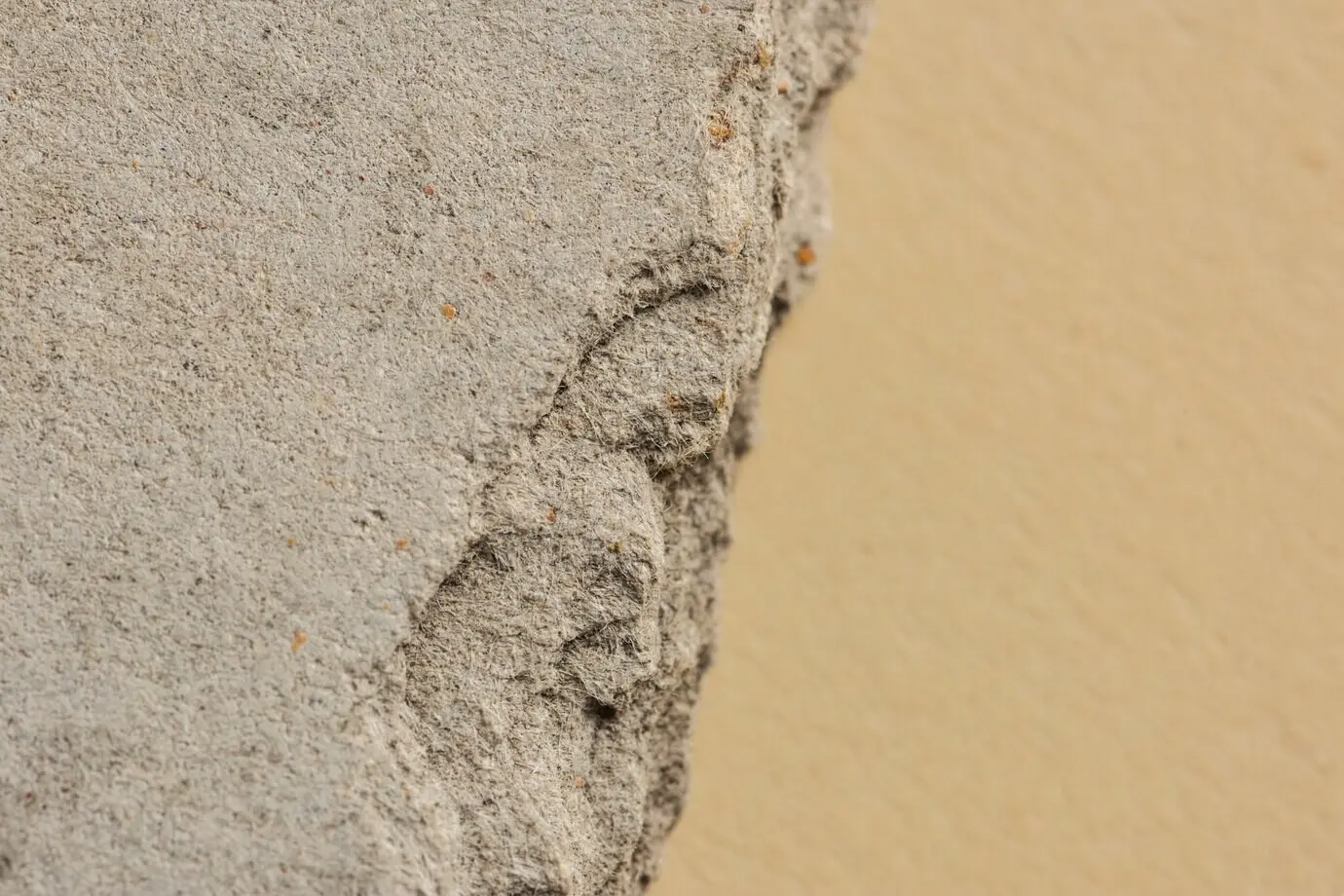
Salvaged marble, limestone, and terrazzo can be re-cut, edge-polished, and re-sealed to read as timeless rather than secondhand. Thermal mass boosts comfort, while precise templating minimizes waste. We once reclaimed hotel lobby marble into bathroom thresholds and a coffee table plinth, pairing it with soft microcement. Guests assumed it was custom-quarried. The embodied memory remained, yet maintenance was straightforward, and replacement modules were kept on a shelf for future swaps, ensuring long-term harmony.
Timber With a Past
Reclaimed timber carries warmth and history, but demands careful selection for stability, treatment, and fire standards. Engineered substrates can support thin veneers from old beams, stretching precious stock. In a farmhouse conversion, we used former barn joists for stair treads, their grain illuminated with natural oil. Charring accentuated texture while protecting surfaces. The staircase became a daily experience of tactility and quiet strength, reminding the owners that sustainability can feel as luxurious as it looks.
Performance, Comfort, and Quiet
Envelope and Air Quality
Start with continuous insulation, careful air sealing, and vapor-smart membranes that manage moisture responsibly. Balanced ventilation with heat recovery supplies filtered fresh air while maintaining temperature stability. In a townhouse, we tucked ducts into a service spine, leaving ceilings intact for future access. VOC-free finishes and formaldehyde-safe substrates protected sensitive occupants. The air felt lighter, the dust settled less, and plants thrived. Maintenance became filter swaps rather than disruptive overhauls, keeping the calm intact.
Heating, Cooling, and Hot Water
Electrified systems reduce operational emissions and integrate beautifully with renewable power. Variable-speed heat pumps, radiant floors, and smart zoning deliver silent comfort with minimal energy. We paired a compact heat pump with low-temperature hydronics, letting oak floors double as gentle radiators. A heat-pump water heater captured waste heat from the laundry, lowering loads. The family stopped fiddling with thermostats and simply noticed mornings felt kinder, showers consistent, and utility bills surprisingly composed, even through a cold snap.
Acoustic Serenity
Quiet is luxury’s secret ingredient. Decoupled ceilings, dense yet natural insulation like wood fiber, and cork underlay beneath floors tame transfers without excessive mass. In a multi-unit retrofit, we used wool acoustic panels wrapped in linen to soften dining echoes while maintaining breathability. Neighbors noticed fewer footfall thumps, and conversations felt intimate again. Because everything was mechanically fixed, future lighting changes were painless. Serenity stayed, systems adapted, and nothing noisy returned to steal the room’s composure.

Artisans Elevate the Experience
A master plasterer can coax depth from lime that paint cannot mimic. A cabinetmaker can rework salvaged walnut into millwork that glides. These hands rescue character while perfecting alignment, gaps, and touch. In Lisbon, an installer repurposed brass balcony rail into a library ladder rail, polishing away corrosion and leaving honest patina. The room felt newly glamorous yet grounded. Paying for skill preserved resources and created stories you can actually run your fingers across every day.

Data That Protects Value
Digital twins and material passports capture models, specs, warranties, and maintenance intervals, keeping future changes precise. When a lighting scene evolved, the contractor scanned a QR tag behind a magnetic cover plate and instantly saw wiring, loads, and notes. No exploratory demolition, no surprises. Documentation also clarifies resale narratives, supporting appraisals and insurance. By treating every component as an asset with a traceable biography, you compress downtime, avoid guesswork, and honor both craft and capital in equal measure.

Water Reuse Without Compromise
High-efficiency fixtures can still feel indulgent when paired with thoughtful flow rates and warm recirculation loops. A compact greywater system irrigated a balcony garden of herbs and citrus, turning rinses into fragrance and flavor. Hidden cisterns fed a courtyard rill that masked city noise. Maintenance protocols were simple and non-toxic. Guests noticed serenity, not engineering. And because components were accessible, upgrades occurred in hours, ensuring the water story remained elegant, responsive, and generously circular through changing seasons.

Light That Restores
Layered lighting supports circadian rhythms and artful scenes. We tuned warm-to-cool LEDs to follow daylight, softened glare with baffles, and invited sun with light wells lined in limewash. Mirrors bounced morning light into deeper rooms, reducing daytime electricity. Nighttime dimming created intimacy without sacrificing clarity. Because fixtures were on modular rails, future adaptations were simple, not destructive. The home felt not just bright, but alive—quietly aligning bodies and schedules with the gentle cadence of the sky outside.
Investment, Impact, and Community
Circular renovations compound value: lower operational costs, strong resale narratives, and reduced embodied carbon. Lifecycle costing moves focus beyond first price, and marketplace linkages keep components valuable. Certification can help, but storytelling often convinces faster: show salvage partnerships, before‑and‑after waste reductions, and healthy indoor metrics. Buyers respond to verifiable comfort and responsibility. As neighbors see results, local salvage co‑ops and deconstruction crews grow, turning individual projects into shared infrastructure that supports future beauty with fewer extracted resources.